Japanese Gift Wrapping: A Guide to Beautiful Presentation
Remember that time you spent ages picking the perfect gift, only to fumble with the wrapping paper and end up with a lumpy, taped-up mess? We’ve all been there! But what if you could transform your gifts into stunning presentations, showcasing the thoughtfulness you put into the present itself? This guide explores Japanese gift wrapping techniques, offering practical skills to elevate your gift-giving game. You’ll learn simple yet elegant methods that go beyond the usual wrapping paper and ribbon. Get ready to discover how to create beautiful presentations that impress. By mastering these techniques, you’ll gain the ability to create truly memorable gifts, and we are certain you will enjoy it. The beauty of these techniques is their simplicity, so the reader can start right away.
Key Takeaways
- Discover the fundamental principles of Japanese gift wrapping techniques.
- Learn how to select appropriate materials for various gifts.
- Master the art of Furoshiki, a traditional cloth-wrapping method.
- Explore techniques for creating elegant bows and closures.
- Understand the cultural significance behind Japanese gift presentation.
- Gain the skills to create beautifully wrapped gifts for any occasion.
Embracing the Art of Japanese Gift Wrapping
Japanese gift presentation is more than simply covering a present; it’s a reflection of respect, care, and attention to detail. It emphasizes aesthetics, mindfulness, and the value placed on the recipient. Unlike Western wrapping styles, which often rely on excessive tape and flashy designs, Japanese methods prioritize simplicity, sustainability, and harmony. The focus is on enhancing the gift’s appearance while maintaining an eco-friendly approach. By exploring these techniques, you’ll gain a deeper appreciation for the beauty of thoughtful presentation and learn to create gifts that are both visually appealing and meaningful.
Principles of Japanese Wrapping
Several principles guide Japanese gift wrapping techniques. One of the most important aspects is the concept of wa, or harmony. This means creating a balanced and pleasing presentation that complements the gift’s shape and purpose. Another key aspect is simplicity. The goal is to enhance the gift’s beauty without overwhelming it with excessive embellishments. The emphasis is on clean lines, natural materials, and a sense of understated elegance. These principles are not about achieving perfection, but about putting thought and care into every step, resulting in something beautiful.
- Respect for the Gift: Japanese wrapping treats the gift as something precious, reflecting the value of the relationship.
- Simplicity and Elegance: Avoid excessive decorations; focus on clean lines and natural materials.
- Sustainability: Using reusable or eco-friendly materials is common.
- Attention to Detail: Every fold and tie should be executed with care.
This principle dictates that the wrapping process should mirror the care that went into selecting the gift itself. Every fold, every tie, every detail should be considered and carried out with intention. This isn’t about covering up the gift; it’s about showcasing it. Using high-quality materials, such as textured paper or beautiful cloth, is an important part of showing respect. It’s about taking the extra effort, acknowledging the importance of both the giver and the receiver.
Japanese aesthetics values simplicity and naturalness. Overly decorated wrapping can detract from the gift itself. Instead, the focus should be on clean folds, precise cuts, and the elegant use of materials. The goal is to create a presentation that is understated but sophisticated. This minimalist approach often leads to a more refined and visually appealing result. Using simple, but high-quality paper or Furoshiki cloths, complements the elegance of the gift.
Sustainability is an important consideration in Japanese gift presentation. This includes using materials that can be recycled, reused, or composted. Furoshiki cloths, for example, can be used repeatedly and in different ways. This eco-friendly approach demonstrates respect for the environment and promotes responsible consumption. It encourages gift-givers to consider the entire life cycle of the wrapping materials, from their creation to their disposal.
Attention to detail is a hallmark of Japanese craftsmanship, and it extends to gift presentation. Each step of the wrapping process should be completed carefully and precisely. This includes crisp folds, neat edges, and securely tied closures. The recipient will notice and appreciate the effort put into the presentation. This careful attention shows a deep respect for both the gift and the person receiving it, making the gift even more special.
Essential Materials and Tools
You don’t need a lot of special equipment to get started with Japanese gift wrapping techniques. The focus is on using simple, high-quality materials and mastering a few basic skills. Many of the materials are readily available, while the tools are likely already in your home. This approach makes Japanese wrapping accessible to everyone, regardless of their skill level or budget. The beauty is in the process, not the fancy tools.
- Wrapping Paper: Choose papers that complement the gift and add a touch of personality.
- Scissors: Sharp scissors are important for clean cuts.
- Tape: Use double-sided tape or washi tape for a neat finish.
- Ribbon or String: Choose natural materials like hemp or cotton twine.
- Other Optional Embellishments: Consider using dried flowers, leaves, or tags.
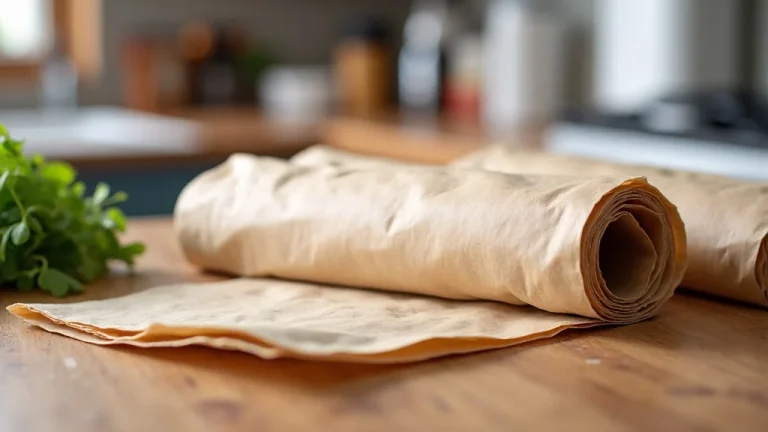
Wrapping paper is the foundation of many Japanese gift-wrapping styles. Look for high-quality paper in various textures and colors. Consider the gift’s nature when choosing the paper. For example, a delicate gift might be better suited to a softer paper. The color should also be considered. While traditional Japanese wrapping often uses muted tones, it’s also acceptable to choose colors and patterns that reflect the occasion or the recipient’s taste. Consider paper made from natural fibers, like rice paper or washi paper.
Invest in a pair of sharp, high-quality scissors. Dull scissors can tear paper and ruin the presentation. A pair of all-purpose scissors will work, but consider a pair of crafting scissors that are specifically designed for cutting paper. Keep them only for wrapping gifts to keep them sharp. When cutting, make sure the scissors are making clean cuts, allowing you to create sharp lines and edges in the wrapping. This level of accuracy will elevate the overall appearance of the gift.
While tape is used sparingly in Japanese wrapping, it is sometimes necessary. The key is to use it discreetly. Double-sided tape is ideal, as it’s invisible and creates a clean finish. Washi tape, a decorative Japanese paper tape, can be used for securing folds or adding a touch of color and pattern. Avoid using excessive amounts of tape. The goal is to secure the wrapping without making it obvious. Consider the use of a simple glue stick as an alternative to tape. This is especially useful for smaller gifts.
Ribbon and string are used to add a touch of elegance and secure the wrapping. Avoid shiny synthetic ribbons in favor of natural materials like hemp twine, cotton string, or even paper cord. The choice of ribbon or string should complement the wrapping paper. Consider matching colors or choosing contrasting shades. You can also experiment with different knotting techniques to add interest. The material you choose should be environmentally friendly and match the aesthetics of your wrapping.
For added personalization, you can incorporate small embellishments. Dried flowers, leaves, or small decorative tags can add a special touch to the presentation. The key is to keep it simple and avoid overcrowding the wrapping. Consider using natural elements, such as sprigs of lavender or small pine needles. Tags can be used for writing the recipient’s name or adding a heartfelt message. These added details enhance the gift, making it look elegant.
Mastering Furoshiki: The Cloth Wrapping Technique
Furoshiki is a traditional Japanese cloth-wrapping technique that uses a square piece of fabric to wrap and carry items. It’s a sustainable and versatile method, making it a cornerstone of Japanese gift wrapping techniques. Furoshiki is not only eco-friendly, but also adds a layer of elegance and cultural significance to your gifts. By learning to use Furoshiki, you’ll be able to wrap gifts of all shapes and sizes, reducing the need for traditional wrapping paper and tape.
Choosing the Right Furoshiki Cloth
The choice of Furoshiki cloth depends on the gift’s size, shape, and the occasion. Different sizes and materials are available, each with its own advantages. Experimenting with different cloths will give you a better understanding of how the cloth works best for you. Finding the right Furoshiki cloth will enhance your presentation skills.
- Size Considerations: Select a cloth large enough to wrap the gift comfortably.
- Material Selection: Cotton, silk, and linen are popular choices.
- Design and Pattern: Plain colors or traditional patterns are typical.
The size of the Furoshiki cloth depends on the size of the gift. Generally, a good starting point is to choose a cloth that is three times the length of the longest side of the gift. Consider having a variety of sizes on hand for different gifts. Keep in mind that a larger cloth offers greater versatility. Be sure to consider the overall shape and the intended wrapping style to determine the best size.
The material of the Furoshiki cloth can significantly influence its appearance and feel. Cotton is an excellent choice for everyday use. Silk offers a luxurious touch for special occasions, while linen provides a more casual, rustic aesthetic. You might select silk for the holidays, linen for a housewarming, or cotton for a birthday. The material should be chosen with the gift and occasion in mind. Consider how the texture and drape of the fabric will complement the gift and enhance its presentation.
Furoshiki cloths come in a variety of colors and patterns. Plain, solid-colored cloths are versatile. They’re suitable for any occasion and allow the gift itself to shine. Traditional patterns, such as geometric designs, are also common and offer a touch of Japanese culture. You might choose patterns that reflect the season. Select a design that appeals to the recipient’s tastes and the overall aesthetic of your gift. Remember, the goal is to create a presentation that is both attractive and culturally appropriate.
Basic Furoshiki Wrapping Methods
There are many Furoshiki wrapping methods. Here are a couple to help you get started with the fundamentals. The techniques require only a square piece of cloth and a bit of practice. Once you learn these basics, you can experiment with more complex styles. With each gift, you’ll feel more confident.
- Otsukai Tsutsumi (Basic Wrap): Suitable for square or rectangular boxes.
- Bin Tsutsumi (Bottle Wrap): Designed for bottles or cylindrical items.
This is the most fundamental and versatile Furoshiki technique, excellent for wrapping square or rectangular boxes. Place the gift in the center of the cloth. Bring two opposite corners of the cloth over the top of the gift and tie them together in a secure knot. Bring the remaining two corners up and over the first knot and tie them together. This creates a neat package with a secure handle. This method is an excellent place to start if you are new to Furoshiki.
This wrapping technique is ideal for bottles, vases, or other cylindrical items. Place the bottle in the center of the cloth. Fold two opposite corners of the cloth over the top of the bottle. Then, fold the remaining corners over the bottle and tie them to create a handle. This will keep your bottle from moving during transportation. This method ensures both protection and elegant presentation.
Beyond the Basics: Paper Wrapping and Bow Techniques
While Furoshiki offers a sustainable option, traditional paper wrapping remains a popular method in Japanese gift wrapping techniques. Knowing the principles, you’ll learn how to master beautiful folds, accurate cuts, and an elegant presentation. It’s an art form to make each gift special.
Paper Wrapping Basics
Paper wrapping in the Japanese style focuses on precision and simplicity. The goal is to create a clean, elegant presentation that showcases the gift. From selecting the right paper to perfecting your folds, each step contributes to the final result.
- Cutting and Folding Techniques: Precise cuts and clean folds create a neat presentation.
- Securing the Wrap: Using minimal tape or double-sided tape for a clean finish.
- Enhancing the Presentation: Adding a simple embellishment.
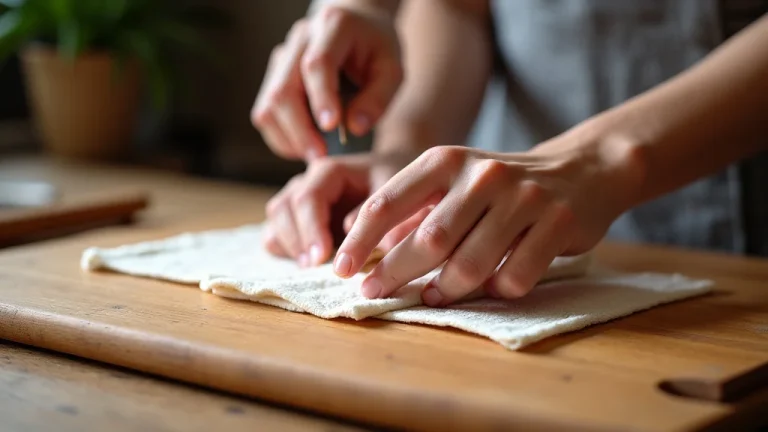
Sharp scissors and accurate folds are necessary for creating a well-wrapped gift. Measure and cut the paper carefully, leaving enough extra material to wrap the gift without being too much. The folds should be crisp and clean, ensuring that the edges of the wrapping are neat and even. Precise folds show effort and care in the gift presentation. Using a bone folder or a similar tool can help create crisp lines.
Minimize the use of tape in Japanese gift wrapping. Instead of using large strips of tape, opt for small pieces of double-sided tape or washi tape. This will give you a clean, seamless finish that enhances the gift. When using tape, place it discreetly, such as on the underside of the folds. This maintains the clean lines and elegant appearance of the wrapped gift. It’s a key detail that sets Japanese wrapping apart.
While simplicity is important, you can enhance the presentation with a few touches. Add a small sprig of dried flowers or a neatly tied ribbon. These additions should complement the wrapping paper. A beautifully crafted tag with the recipient’s name or a heartfelt message can make the gift even more special. This step allows you to add a bit of personality without overpowering the overall design. Consider using natural materials that align with the aesthetics of the wrapping.
Creating Elegant Bows and Closures
The bow and closures act as a finishing touch, adding visual appeal. There are various ways to create beautiful bows and elegant closures. Mastering these techniques will elevate your gift presentation.
- Choosing Ribbon: Selecting appropriate materials, like twine.
- Creating a Simple Bow: Instructions for a basic bow.
- Alternative Closures: Simple knots or decorative paper bands.
The choice of ribbon should complement the wrapping paper and the gift itself. Natural materials like hemp twine, cotton string, or paper cord can add a rustic yet elegant touch. These materials also align with the sustainability principles of Japanese wrapping. The color of the ribbon should also be considered. Choosing a ribbon that either matches or contrasts the wrapping paper can highlight the gift. Different textures and patterns can add visual interest to the presentation.
A simple bow can add a touch of elegance to any gift. Start with two lengths of ribbon. Cross them over each other in the middle, creating a small knot. Create two loops with the ribbons. Then, tie them together with another knot. Adjust the loops and the tails of the ribbon until the bow looks balanced. Make sure the knots are secure, and trim the ends of the ribbon at an angle for a professional appearance. This basic bow is a versatile addition to any gift.
There are many ways to finish your gift wrapping. A simple knot can be both elegant and practical. Tie the ribbon or twine around the gift and secure it with a neat knot. Alternatively, create a decorative paper band to wrap around the gift. Use paper that matches or complements the wrapping. Secure the band with tape. The choice depends on the style and the size of the gift. The goal is to provide a neat and visually appealing closure.
According to research, the global gift wrap market was valued at $9.15 billion in 2021. This emphasizes the importance of gift wrapping, and by learning Japanese gift wrapping techniques, you’ll distinguish yourself.
Cultural Significance and Modern Adaptations
Japanese gift wrapping techniques carry a deep cultural significance, rooted in traditions of respect, harmony, and thoughtful presentation. This long history adds an important layer of meaning to the act of gift-giving, transforming it into a way to express sincerity and care. This rich history offers depth to your gift-giving.
The History and Traditions
Gift wrapping has played a key role in Japanese society. The techniques and traditions that have developed over centuries continue to have a lasting influence. Learning about the past brings an important aspect to the process.
- Origins in Shinto and Buddhism: Symbolism and respect.
- Evolution of Furoshiki: From practical to elegant.
- Modern Interpretations: Blending tradition with contemporary styles.
The roots of gift wrapping can be traced back to Shinto and Buddhist practices. In Shinto, the act of wrapping and presenting an item showed respect for the Kami or divine spirits. In Buddhism, the giving of gifts was a way to show gratitude and express good wishes. These religious influences have helped shape the core of Japanese gift presentation. These ideas provide a framework for expressing your care for the recipient.
Furoshiki cloths were originally used to carry items to and from the public baths. Over time, Furoshiki became a symbol of elegance and thoughtfulness. The cloths were adorned with intricate patterns, representing different families. Today, Furoshiki has evolved into a versatile wrapping method, used for a variety of gifts. The tradition has persisted due to its beauty and sustainability. It has remained a valuable tool for expressing care and respect for the recipient.
While the principles of Japanese gift presentation remain, there are modern adaptations. Contemporary designers are experimenting with new materials and techniques. They aim to combine tradition with personal expression. They might use bold colors, unique patterns, and modern embellishments. It’s still essential to keep the core values of simplicity and respect. Modern interpretations allow gift-givers to balance tradition with their personal tastes.
Applying Techniques Today
You can bring the Japanese style into your gift-giving. Adapting these techniques helps you create presentations that are both beautiful and meaningful. Explore the practical benefits of these styles.
- For Special Occasions: Weddings, birthdays, and holidays.
- For Everyday Gifting: Showing thoughtfulness.
- For Sustainable Practices: Eco-friendly wrapping choices.
Japanese gift wrapping techniques are especially well-suited for special occasions, such as weddings, birthdays, and holidays. Using Furoshiki, you can wrap gifts for weddings. For birthdays and holidays, you can create a beautiful presentation with paper wrapping and elegant bows. Select materials and patterns that reflect the occasion. Be mindful of the recipient’s tastes and the overall mood. The presentation should enhance the gift and make the celebration even more memorable.
Even for everyday gifting, Japanese techniques bring thoughtfulness. They show that you care about the relationship. When giving a simple gift, you can use these techniques to elevate the presentation. Wrap your presents with care and attention to detail. This makes it clear that you took the time and effort. It shows that you value the person and the relationship.
Choosing sustainable gift wrapping practices has become very important. Japanese gift wrapping methods naturally align with this approach. Use reusable Furoshiki cloths. Choose paper made from recycled materials. Limit your use of tape and other disposable items. Embrace natural materials like twine or hemp string. These practices reduce waste. They also show a commitment to environmental responsibility. They bring beauty to the gift-giving process.
Studies show that consumers are increasingly seeking out eco-friendly gift-wrapping options. Japanese styles provide practical solutions.
Common Myths Debunked
Myth 1: Japanese Wrapping Is Too Difficult
Many believe that Japanese gift wrapping techniques are complex and require advanced skills. The reality is that the core techniques are simple and accessible to everyone. The focus is on precision and care, not intricate designs. With some practice, even beginners can create beautifully wrapped gifts that reflect the Japanese aesthetic.
Myth 2: Furoshiki Is Only for Special Occasions
Some people think Furoshiki is only appropriate for special events or formal gifts. While it adds a touch of elegance, it is versatile. Furoshiki can be used for any gift, whether it’s a small present or a larger item. It is ideal for practical purposes, such as carrying lunches or protecting objects. The key is to choose the right cloth and wrapping style for the gift and occasion.
Myth 3: Japanese Wrapping Is Expensive
The cost of Japanese gift wrapping is thought to be high. While the quality of materials matters, it doesn’t have to be costly. Simple, affordable materials like basic paper, twine, and cloth can be used. In some cases, you can even use materials you have around the house. The value is in the thoughtfulness and the presentation, rather than the price tag.
Myth 4: Paper Is the Only Option
Some believe that Japanese wrapping is only about paper. Japanese gift presentation uses other methods. The Furoshiki cloth is an important alternative. This is a reusable wrapping solution. The choice of wrapping materials depends on the gift, the occasion, and the recipient’s preferences. There is versatility in Japanese gift presentation.
Myth 5: It Takes Too Much Time
Many people think that Japanese gift presentation is too time-consuming. While a thoughtful presentation does require some effort, it doesn’t take much time. Learning a few basic techniques and practicing will make the process faster. The goal is to create a presentation that is both simple and elegant. You will be able to wrap gifts quickly. It’s about quality over speed.
Frequently Asked Questions
Question: What is the best type of paper for Japanese wrapping?
Answer: Washi paper, with its varied textures and handmade quality, is a classic choice, but other high-quality papers like rice paper or even simple, textured kraft paper work beautifully.
Question: Can I use tape in Japanese gift wrapping?
Answer: Yes, but sparingly. Use double-sided tape or washi tape to secure folds and create a clean look. The aim is to make the tape nearly invisible, maintaining clean lines.
Question: What size Furoshiki cloth should I choose?
Answer: The size depends on the gift. As a general guide, a cloth three times the length of the longest side of the gift is a good starting point.
Question: How do I choose the right color for my wrapping?
Answer: Consider the occasion, the gift, and the recipient’s preferences. Muted tones and natural colors are common in Japanese wrapping, but you can also use colors that reflect the occasion or the recipient’s taste.
Question: Is Japanese wrapping suitable for all types of gifts?
Answer: Absolutely! From small trinkets to larger items, there’s a technique and material suitable for every gift. The beauty lies in the adaptability.
Final Thoughts
Mastering Japanese gift wrapping techniques will redefine your gift-giving. You’ve uncovered the core principles of aesthetics. You’ve explored practical methods, from simple paper folds to the elegant Furoshiki style. The emphasis is on respect, care, and sustainability, transforming the act of wrapping into a meaningful gesture. It’s not about complex skills or costly materials. It’s about taking the time to create a presentation that reflects thoughtfulness. By incorporating these techniques, you’ll be able to create stunning gifts. You’ll make each gift a reflection of your care. Begin now and explore these techniques, and discover the joy of giving beautifully wrapped gifts. Add this new skill to your gift giving and see the results for yourself.