Japanese Rock Wrapping: Techniques and Benefits Explained
Picture this: You’re at a concert, the music is pumping, and the energy is electric. But have you ever considered the often-overlooked art form that protects and preserves the instruments powering your favorite bands? This post explores japanese rock wrapping, a fascinating and vital process. We’ll explore the techniques, benefits, and the materials used. By the end, you’ll gain a deeper appreciation for the behind-the-scenes work that keeps the music playing. You’ll also be equipped with practical knowledge, enhancing your knowledge about this topic.
Key Takeaways
- Explore the history and cultural significance of japanese rock wrapping.
- Discover the essential materials and tools used in the wrapping process.
- Learn the different wrapping techniques employed for various rock formations.
- Understand the advantages of rock wrapping in preserving the geological formations.
- Explore practical applications of rock wrapping in diverse situations.
- Uncover how Japanese wrapping contributes to sustainability.
The Origins of Japanese Rock Wrapping
The art of japanese rock wrapping has its roots deeply embedded in Japanese culture, tracing back centuries. It evolved from practical necessities to a refined art form. Early practitioners utilized natural materials to protect fragile rocks, often employing techniques similar to those used in other Japanese crafts like textile dyeing and basket weaving. Over time, these skills developed, influenced by the aesthetics and philosophies of Japanese culture.
Historical Context and Cultural Significance
The practice wasn’t just about protection; it was also about respect for nature. The Japanese view rocks as sacred objects, and wrapping them became a way to honor and preserve their natural beauty. The development of japanese rock wrapping was also influenced by the Shinto belief system, which emphasizes the presence of spirits in natural elements. As the craft grew, it encompassed a philosophical dimension, blending practicality with a deep reverence for the natural environment. The methods were passed down through generations.
- Early Uses: Initially, wrapping was a practical measure to safeguard rocks from erosion, weathering, and movement. The process was crucial for protecting geological formations.
- Cultural Significance: Over time, the practice became an expression of artistic sensitivity and environmental respect. The process involves a deep appreciation for the value of nature.
- Shinto Influence: The connection with Shintoism provided spiritual meaning to the practice. Rocks were seen as vessels for spirits, and their preservation became sacred.
- Artistic Development: This practice was refined through the inclusion of artistic techniques like color coordination and symbolic knotting. Artistry was intertwined with the functional elements.
Evolution of Techniques Over Time
The methods of japanese rock wrapping have changed over time, corresponding with the availability of materials and technological advancements. Early on, natural fibers like plant leaves, bark, and woven grasses were used. These provided reasonable protection but often degraded rapidly. As trade routes opened and new materials were introduced, techniques evolved. For instance, the use of waxed papers and specialized cloths enabled better and longer protection, with the development of techniques suited to different rock types.
- Early Techniques: Natural fibers like plant leaves were the primary materials used in early rock wrapping methods. These methods involved weaving, tying, and layering to create a protective shell.
- Material Advancements: The introduction of new materials such as oil paper, waxed cloth, and even early forms of polymers, enabled more durable and efficient wrapping methods.
- Technological Influence: The introduction of tools, such as specialized knives and precision measuring tools, improved accuracy and efficiency. New technologies enhanced the quality.
- Modern Adaptations: Contemporary methods use advanced materials to provide improved protection and aesthetic appeal. Modern practices are designed to enhance the natural beauty of the wrapped rocks.
Materials and Tools of Japanese Rock Wrapping
The choice of materials is vital to effective japanese rock wrapping. Historically, natural resources were used, but modern techniques now use a range of materials chosen for their protective characteristics, durability, and aesthetics. The tools also have evolved, moving from basic hand tools to specialized instruments, all aimed at precision and efficiency.
Essential Materials
Selecting appropriate materials is essential for successful wrapping. The materials must offer protection against external elements while allowing breathability to prevent moisture buildup and decay. Considerations include the size and shape of the rock, its environment, and the desired lifespan of the wrapping. The selection process ensures protection and promotes longevity. Common materials include special papers, cloths, and natural fibers.
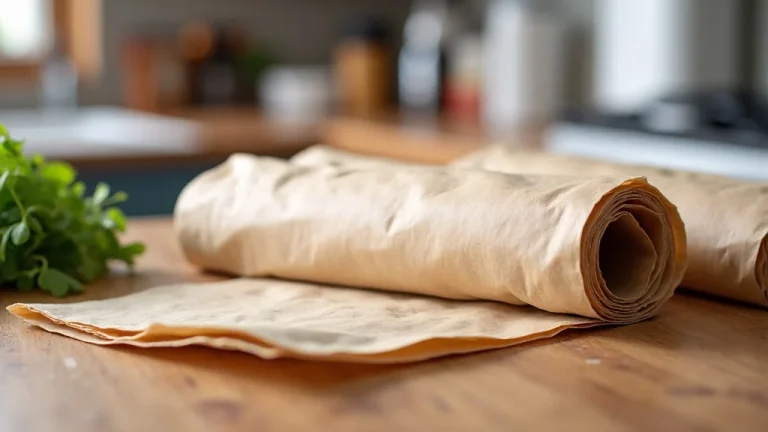
- Rice Paper (Washi): Traditionally used for its lightweight and breathable qualities. Washi paper provides protection while allowing ventilation. The natural fibers offer breathability.
- Natural Fibers (Hemp, Jute): These offer additional protection. These durable fibers are often used for the wrapping process.
- Waxed Cloths: These are chosen for their water-resistant properties, helping protect the rock from moisture and preventing decay.
- Adhesives: These are often made from natural substances like rice starch glue. The glue ensures that the wrapping remains secure.
Tools of the Trade
The correct tools are important for precision and efficiency in rock wrapping. They assist in shaping the wrapping materials, securing them, and executing complex patterns. The selection of tools and their quality is a critical factor. From basic knives to more advanced tools, each is used to achieve the desired result.
- Knives and Scissors: Used for trimming and shaping the wrapping materials to fit the contours of the rock. The precision of these tools is important for a quality result.
- Brushes: Needed for applying adhesives evenly. The choice of brush impacts the quality of the wrapping process.
- Tying Tools: These include specialized needles and strings for securing the wrapping. The quality of the tie is important to keep the wrapping in place.
- Measuring Tools: Used to ensure the wrapping fits the rock accurately.
Techniques in Japanese Rock Wrapping
Japanese rock wrapping features a wide range of techniques, each tailored to the size, shape, and characteristics of the rock being wrapped. These techniques emphasize careful precision and artistic sensibility. The goal is not just protection but also to enhance the rock’s natural beauty. These methods require a combination of skill, patience, and a deep appreciation for the natural world.
Basic Wrapping Methods
Several basic methods are the foundation of japanese rock wrapping. These are the fundamental steps used in protecting rocks. These simple techniques can be adapted and combined to meet the demands of various tasks. Learning these foundations is important for anyone starting in the area of rock wrapping.
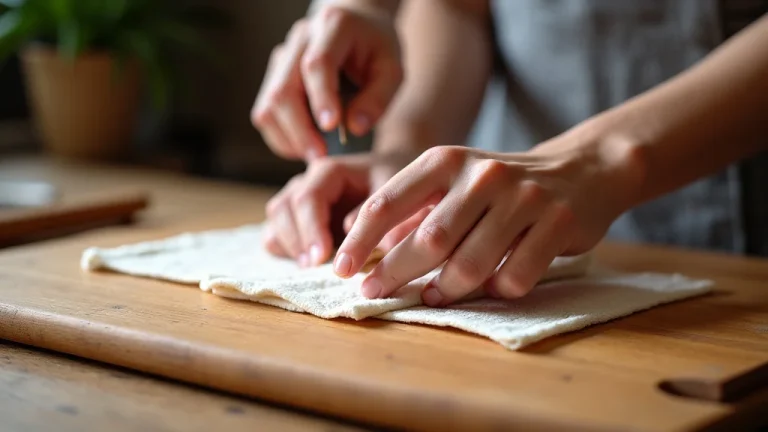
- Simple Layering: This involves wrapping layers of paper or cloth around the rock, overlapping them for better protection. The method requires a basic level of care, guaranteeing coverage.
- Folding Techniques: This involves folding and tucking the wrapping material to create a snug fit and protect against external elements.
- Tying and Knotting: This includes using strings or natural fibers to secure the wrapping, often using decorative or functional knots. Proper knotting guarantees that the wrapping stays in place, securing the rock.
- Adhesive Application: Applying natural adhesives, such as rice starch glue, to secure layers of wrapping material. The adhesive can be applied precisely for the best results.
Advanced Wrapping Styles
Advanced wrapping techniques combine the basic methods with specialized designs and materials. These methods often include artistic elements. These methods require considerable skill and knowledge.
- Modular Wrapping: This involves creating separate sections of wrapping that fit the rock and are assembled together.
- Decorative Styles: Using patterned materials, artistic folding, and knotting for an eye-catching finish.
- Multi-Material Wrapping: Combining different materials, such as paper and cloth, to optimize protection and aesthetics.
- Shaping Techniques: Using tools and techniques to mold and shape the wrapping material around complex rock shapes. This calls for great care and attention to detail.
Advantages of Japanese Rock Wrapping
Japanese rock wrapping provides many benefits, far beyond simple protection. This practice combines functional value with artistic and cultural aspects, contributing to sustainability, and promoting respect for the natural environment. The benefits show why this practice is still relevant in modern times.
Protection and Preservation
The primary advantage of japanese rock wrapping is the protection and preservation of rocks from environmental elements. This wrapping process effectively shields rocks from the impacts of weather, erosion, and human interference. Properly wrapped rocks show extended lifespans.
- Weathering Resistance: The wrapping material protects rocks from the damaging effects of rain, wind, and sun. Rocks that are wrapped last much longer.
- Erosion Control: Wrapping helps minimize soil erosion. The wrapping method can reduce the impact of forces.
- Preventing Physical Damage: This offers a physical barrier against impacts and damage. Protection against human interference can be critical.
- Longevity: By protecting the rock, the life expectancy increases. This is essential for historical landmarks.
Environmental Benefits
Rock wrapping promotes environmental protection by reducing the need for chemical treatments and promoting sustainable methods. This can reduce environmental impact and provide a sustainable approach to preserving natural areas. This makes it a great choice for environment protection.
- Reduced Chemical Use: The wrapping offers an alternative to chemical treatments. Using alternatives reduces the impact on the environment.
- Sustainable Practices: Traditional methods often use natural, biodegradable materials. Sustainable practices reduce pollution.
- Habitat Preservation: Protecting rock formations can support the ecological diversity of an area. Rocks are often home to plants and animals.
- Promoting Awareness: The practice encourages respect for nature and sustainable practices. The process helps raise the profile of environmental protection.
Cultural and Aesthetic Value
Beyond its functional advantages, japanese rock wrapping provides cultural and artistic value, connecting to Japanese traditions and adding beauty to the natural landscape. The techniques preserve cultural heritage. These can be the most valuable benefits of rock wrapping.
- Cultural Heritage: This practice safeguards cultural sites and structures. It connects with history.
- Artistic Appreciation: The wrapping itself can be an art form, adding to the beauty of natural settings. This can include intricate patterns and decorative knots.
- Educational Value: This offers opportunities to educate people on environmental stewardship. It is great for learning about nature.
- Enhanced Experience: Wrapping can improve the viewing experience of a natural environment.
Applications of Japanese Rock Wrapping
The techniques of japanese rock wrapping apply in several situations, each with unique requirements. From preserving historical landmarks to supporting geological research, the practice is diverse and adaptable. Each example shows how versatile this method can be.
Preservation of Historical Sites
The techniques of japanese rock wrapping are vital for safeguarding historical structures. The process protects historical sites from weather and decay. This practice helps preserve these landmarks, which also helps preserve history.
- Monument Protection: Wrapping can be used to protect statues and memorials. This process protects the pieces for future generations.
- Building Conservation: The practice helps preserve architectural elements. This contributes to the lifespan of buildings.
- Archaeological Sites: This is a technique used in excavations to preserve fragile artifacts. Artifacts can be safely transported.
- Landmark Support: This provides protection for natural landmarks such as rock formations. It also provides longevity.
Geological Research and Fieldwork
In geological research, japanese rock wrapping is a critical method for preserving samples, specimens, and rock formations. This helps researchers to study rocks. The methods also provide benefits in the field.
- Sample Preservation: Wrapping protects rock samples from damage during transport and handling. The samples remain intact during travel.
- Field Study Support: Wrapping protects formations from weathering during long-term studies. This also helps preserve information.
- Specimen Storage: Wrapping offers a secure way to store delicate specimens. Samples can be preserved for long periods.
- Data Collection: This method assists in collecting and preserving important data. Data is protected from damage.
Artistic and Decorative Uses
The techniques also have artistic and decorative uses, where aesthetic appeal complements practical purposes. In gardens, the method can be used for ornamentation. It can also be utilized in public art installations.
- Garden Design: This is used to enhance the visual appeal of rock features. Natural elements can be integrated into the design.
- Public Art: Wrapping can create visually stunning sculptures. This creates eye-catching works of art.
- Interior Design: Wrapping can include natural elements into interior spaces. Wrapping adds a touch of nature.
- Educational Displays: This can be used in museums and educational settings. The method is great for display.
Common Myths Debunked
Myth 1: Japanese Rock Wrapping Only Uses Rice Paper
While rice paper (washi) is a traditional and commonly used material in japanese rock wrapping, it is not the only material used. Other materials such as hemp, jute, waxed cloths, and natural fibers are also used to protect and enhance the beauty of the rocks. The materials used depend on the rock and its environment.
Myth 2: Rock Wrapping Only Provides Protection
Rock wrapping offers aesthetic and cultural value. While protection against erosion and physical damage is a primary advantage, the practice also connects with Japanese traditions, creating aesthetic value and adding beauty to the natural landscape. This promotes environmental awareness and appreciation.
Myth 3: The Techniques Are Extremely Complex and Expensive
Some methods of rock wrapping can be quite intricate, but the core methods are basic and accessible. The expense is based on the materials and intricacy. Using natural materials reduces the cost, and with practice, these techniques are available to most.
Myth 4: Wrapping Always Changes the Rock’s Appearance
Wrapping methods are often designed to enhance the rock’s natural look. The selection of materials and methods can be combined to protect and highlight the features. This helps preserve the beauty of the rock.
Myth 5: It’s a Recent Trend
This practice has a long history, originating centuries ago in Japan. Though current techniques and materials may have evolved, the roots of the practice trace back to ancient times. It has grown from a survival method into a refined art form.
Frequently Asked Questions
Question: What’s the main purpose of japanese rock wrapping?
Answer: It is mainly for protecting rocks from damage, erosion, and weathering.
Question: Are the materials used sustainable?
Answer: Many techniques use natural and biodegradable materials, which helps to minimize the environmental impact.
Question: Is this a difficult technique?
Answer: It has various techniques, from very simple to more complex, but the basic methods are accessible with some practice.
Question: How long does the wrapping last?
Answer: The lifespan varies, depending on the materials used and environmental conditions, but the goal is to provide lasting protection.
Question: Where can I learn more about japanese rock wrapping?
Answer: Explore Japanese cultural museums or websites. This is a great way to discover more about the techniques.
Final Thoughts
Japanese rock wrapping, far from being just a protective measure, is an art form rooted in history, philosophy, and environmental respect. It stands as a testament to the value of human interaction with nature. Whether protecting a historical landmark or preserving a geological specimen, the practice provides an important service. Learning these techniques also offers a fresh perspective. Embrace the opportunity to explore these methods, helping to conserve our natural world.