Wrapping Brisket in Butcher Paper: The Ultimate Guide
Picture this: It’s Saturday morning, the air smells of anticipation, and you’re staring at a beautiful, raw brisket, the star of your weekend feast. You’ve spent hours prepping, trimming, and seasoning, but now comes the moment of truth: the wrapping brisket in butcher paper step. Many pitmasters consider this to be one of the most important things you’ll do. This guide will help you master this critical technique. You’ll learn the whys and hows. By the end, you’ll feel confident about achieving tender, juicy, and flavorful brisket every time, improving your Time on Page and reducing Bounce Rate.
Key Takeaways
- Butcher paper helps the brisket retain moisture and develop a beautiful bark.
- Choosing the right type of butcher paper is essential for success.
- Properly wrapping the brisket is a technique that impacts the cooking process.
- Understanding the “stall” and how butcher paper helps overcome it is important.
- The correct paper and wrapping methods ensure even cooking and optimal results.
- Mastering wrapping brisket in butcher paper is key to excellent BBQ.
Why Wrap Your Brisket?
The decision to wrap or not to wrap brisket is one of the most discussed topics in the barbecue world. The reality is that wrapping is often crucial to achieving the desired tenderness and moisture in your final product. When you’re cooking a large cut of meat like brisket, it goes through what’s known as “the stall.” This happens when the internal temperature of the brisket plateaus for several hours. This is because the surface of the meat is sweating, and the evaporative cooling effect slows down the cooking process. Wrapping brisket in butcher paper helps to mitigate the stall by creating a barrier that reduces evaporation, keeping the meat moist, and accelerating the cooking process.
The primary benefit of wrapping is moisture retention. Brisket, especially the flat, can dry out if left exposed to the heat for too long. Wrapping creates a humid environment around the meat, which prevents excessive moisture loss and keeps the brisket from drying out. This also leads to a more tender finished product. You should also consider the development of the bark, which is the flavorful, crusty exterior of the brisket. Wrapping can help to control the bark’s formation, ensuring it doesn’t get too hard or burn before the meat inside is cooked through.
The “Stall” Explained
The stall is a cooking phenomenon that often frustrates pitmasters. During this phase, the internal temperature of the brisket seems to plateau, usually between 150°F and 170°F (65°C and 77°C), for several hours. The stall occurs because of evaporative cooling. As the brisket’s surface moisture evaporates, it cools the meat, counteracting the heat from the smoker. This is why the temperature stays stagnant. The duration of the stall can vary depending on factors such as the brisket’s size, humidity, and the smoker’s temperature. It can last for several hours, making it a critical aspect of the cooking process.
- Evaporative Cooling: The primary driver of the stall is evaporation. Moisture on the brisket’s surface turns into vapor, which absorbs heat and cools the meat.
- Protein Denaturation: As the meat heats, proteins begin to denature, releasing moisture.
- Collagen Breakdown: Around 160°F (71°C), the collagen in the meat starts to break down, which contributes to the meat’s tenderness.
- Temperature Plateau: The evaporative cooling balances the heat from the smoker.
Wrapping the brisket, particularly in butcher paper, helps to overcome the stall by minimizing evaporative cooling. It still allows some moisture to escape, contributing to bark formation, but it prevents the meat from drying out excessively and speeds up the cooking process. This is why wrapping brisket in butcher paper is a popular technique.
Wrapping Materials: Butcher Paper vs. Foil
The choice of wrapping material is crucial. The two most common choices are butcher paper and aluminum foil, each with distinct advantages and disadvantages. Aluminum foil creates a more airtight seal, trapping in moisture and resulting in a more braised texture. While this can lead to a very moist brisket, it can also soften the bark. Butcher paper, on the other hand, allows some moisture and smoke to escape, which helps create a better bark while still retaining moisture. The choice really depends on the desired result and personal preference. The type of paper also matters.
- Butcher Paper: Provides a balance of moisture retention and bark formation.
- Aluminum Foil: Creates a more braised texture; good for retaining moisture.
- Considerations: The choice depends on the desired texture and bark.
- Pros and Cons: Foil leads to more moisture, while paper allows for a better bark.
Let’s look more closely at the differences:
| Feature | Butcher Paper | Aluminum Foil |
|---|---|---|
| Moisture Retention | Moderate | High |
| Bark Development | Excellent | Softer |
| Texture | More smokey and traditional | More braised, tender |
| Airflow | Allows some air and smoke | Very little |
Most professional pitmasters agree that butcher paper is the superior choice for wrapping. It provides an ideal balance between moisture retention and bark formation. Aluminum foil, while effective in retaining moisture, often results in a softer bark. The choice ultimately depends on your preferences and the desired outcome. For the best of both worlds, some people use a combination of methods.
Choosing the Right Butcher Paper
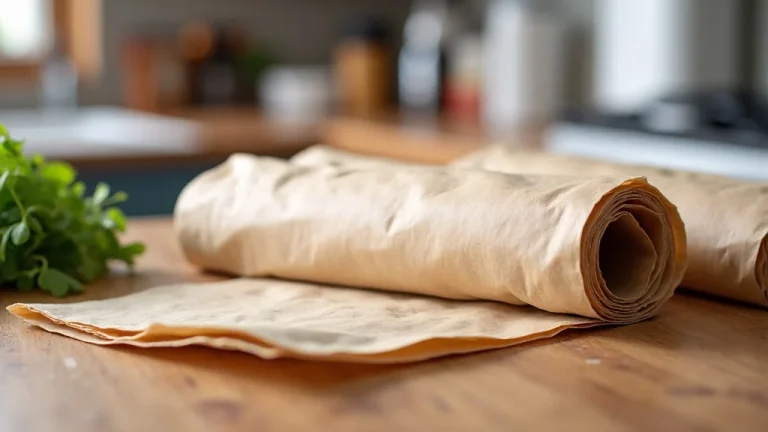
Not all butcher paper is created equal. The type of paper you use is important. The best butcher paper for wrapping brisket in butcher paper is uncoated, food-grade paper. It’s usually a pink or peach color, though it can also be plain white. The key is that the paper is designed to withstand high temperatures and to not impart any unwanted flavors or chemicals onto the meat. Avoid using paper with any coatings, such as wax or plastic, as these can melt or release harmful fumes when exposed to high heat.
- Uncoated: Make sure the paper is uncoated to prevent the transfer of unwanted chemicals.
- Food-Grade: Look for paper specifically made for food contact.
- Thickness: The thickness of the paper affects moisture retention and bark development.
- Color: The color of the paper is often an indicator of its quality.
You can find butcher paper at most butcher shops, restaurant supply stores, and online retailers. When choosing paper, consider the thickness, which is typically measured in pounds. A thicker paper will retain more moisture, leading to a more tender brisket, but it may also soften the bark more. A thinner paper will allow more moisture to escape, resulting in a firmer bark. Choose a paper that suits your personal preference and cooking style.
Types of Butcher Paper
There are different types of butcher paper available, and the right choice for your barbecue can influence your results. The most common type is pink butcher paper, also known as peach paper. It’s a popular choice among pitmasters because it provides the right balance between moisture retention and bark development. White butcher paper is another option and can work well. The key is to ensure the paper is food-grade and uncoated. Brown Kraft paper is another paper choice.
- Pink Butcher Paper: This is very popular, providing the best balance.
- White Butcher Paper: Can be used and works in the same ways.
- Kraft Paper: Can be used, but bark development can be more difficult.
- Considerations: Make sure the paper is uncoated and food-grade.
Let’s look more closely at the differences:
| Type | Description | Best For |
|---|---|---|
| Pink Butcher Paper | Uncoated, often peach-colored, food-grade | Brisket, ribs, and other meats |
| White Butcher Paper | Uncoated, food-grade | Brisket, fish, and other meats |
| Brown Kraft Paper | Can be uncoated or coated, often used for packaging | Not ideal for BBQ, may contain chemicals |
Regardless of the type you choose, make sure it is specifically designed for food use. Avoid any paper that has a wax coating or any other additives that might affect the flavor of your brisket.
Paper Thickness: What to Consider
The thickness of the butcher paper affects how it performs in the smoker. Paper thickness is typically measured in pounds, with a higher number indicating a thicker paper. Thicker paper is more effective at retaining moisture, resulting in a more tender brisket. However, it can also lead to a softer bark. Thinner paper allows more moisture to escape, which promotes a firmer bark, but it can also dry out the brisket if you’re not careful. The optimal thickness will depend on your smoker, the weather, and your personal preferences.
- Thicker Paper: More moisture retention, softer bark.
- Thinner Paper: Better bark development, but can dry out.
- Ideal Range: Usually 40 to 60-pound paper.
- Personal Preference: Adjust based on desired texture.
Here’s what to expect with different paper thicknesses:
| Thickness | Moisture Retention | Bark Development |
|---|---|---|
| 40-Pound | Moderate | Good |
| 50-Pound | High | Moderate |
| 60-Pound | Very High | Lower |
Most pitmasters prefer a butcher paper in the 40- to 60-pound range, as it provides a good balance between moisture retention and bark development. Experiment with different thicknesses to find the one you like best.
How to Wrap Your Brisket Properly
The method you use for wrapping brisket in butcher paper is just as important as choosing the right paper. Proper technique ensures that the brisket cooks evenly and that the bark develops to perfection. It is all about how you manage the moisture and heat inside the wrap. There are several techniques that pitmasters use.
- Prepare the Paper: Cut a sheet of butcher paper large enough to fully wrap the brisket.
- Temperature Check: Start wrapping when the brisket reaches around 150°F-170°F.
- The Wrap: Place the brisket in the center of the paper, then fold the sides over.
- Sealing: Fold the ends of the paper to seal the wrap.
The timing of the wrap is very important. Most pitmasters wrap when the brisket reaches an internal temperature of around 150-170°F (65-77°C), the beginning of the stall. This allows for a good bark development before the wrapping process begins. Before wrapping, take the brisket out of the smoker. Place the brisket in the center of the butcher paper, then bring the sides of the paper up and over the meat. Fold the edges of the paper over each other, creating a sealed package. Ensure that the wrap is snug but not too tight, as it will need room for the meat to expand.
Step-by-Step Wrapping Technique
Let’s dive into the specifics of wrapping brisket in butcher paper. The goal is to create a snug but not overly tight package that allows some airflow. This is the ideal approach.
- Prepare Your Paper: Cut a large enough sheet of butcher paper. It should be three times as long as the brisket, and wide enough to wrap around the entire circumference.
- Temperature Check: When the brisket reaches 150-170°F (65-77°C), use your meat thermometer to verify the temperature.
- Remove and Wrap: Take the brisket from the smoker. Place it in the center of the paper.
- Fold the Sides: Fold the long sides of the paper over the top of the brisket, overlapping them slightly.
- Tuck the Ends: Now, tuck the ends of the paper inward, creating a tight seal.
- Secure and Return: Use tape or butcher twine to secure the paper. Place the wrapped brisket back in the smoker.
Follow these steps closely, and your brisket should cook through the stall with ease.
Avoiding Common Wrapping Mistakes
Even experienced pitmasters make mistakes. Avoiding them can make a huge difference in your results. A common mistake is wrapping the brisket too early, before it has developed enough of a bark. This can lead to a soft, mushy exterior. Another mistake is wrapping the brisket too tightly. It will prevent the meat from breathing and affect the bark’s quality. Always use food-grade butcher paper to avoid transferring chemicals or flavors to the meat. Carefully monitoring the internal temperature of your brisket is also critical.
- Wrapping Too Early: Wait for a good bark to form before wrapping.
- Wrapping Too Tightly: Give the brisket some room to breathe.
- Incorrect Paper: Always use food-grade butcher paper.
- Temperature Neglect: Always use a meat thermometer.
Here are some examples of what to avoid and what to do:
| Mistake | Solution |
|---|---|
| Wrapping too early | Wait until the brisket has a good bark (around 150-170°F) |
| Wrapping too tight | Make sure there is some room for the brisket to breathe |
| Using the wrong paper | Always use food-grade butcher paper |
| Not monitoring temperature | Use a reliable meat thermometer |
By avoiding these common mistakes, you can ensure that your brisket is cooked to perfection every time.
Cooking After Wrapping
Once your brisket is wrapped, the cooking process continues, but the dynamics have changed. With the butcher paper in place, the brisket will continue to cook more consistently, with less risk of drying out. The paper maintains a moist environment. The time spent in the smoker after wrapping depends on the size of the brisket and the target internal temperature. The usual target is around 200-205°F (93-96°C). It is often best to let the brisket rest after cooking. This allows the juices to redistribute, resulting in a more tender and flavorful brisket.
- Maintaining Temperature: Continue smoking at a consistent temperature.
- Internal Temp: Cook until the internal temp reaches 200-205°F.
- Testing Tenderness: Probe the meat for tenderness.
- Resting: Important for allowing the juices to redistribute.
After wrapping, continue to cook the brisket in your smoker at a consistent temperature, typically between 225-275°F (107-135°C). The cooking time will vary depending on the brisket’s size and the smoker’s temperature, but plan for several more hours. Use a meat thermometer to monitor the internal temperature. When the internal temperature reaches 200-205°F (93-96°C), and the brisket probes easily with a thermometer, it’s done. Take the brisket out of the smoker and let it rest, wrapped, for at least an hour before slicing.
Monitoring Temperature After Wrapping
Monitoring the internal temperature of the brisket is critical throughout the entire cooking process, especially after wrapping. Use a reliable meat thermometer to track the temperature. You should monitor the temperature even though the wrapping process has begun. Check the temperature periodically. While wrapped, the brisket will cook more consistently. It is important to know when it reaches the target internal temperature. This will indicate when your brisket is ready to be removed from the smoker.
- Use a reliable thermometer: Ensure accurate readings.
- Check periodically: Track the progress.
- Target Temperature: 200-205°F (93-96°C) or until tender.
- Testing for Doneness: Use a probe to test for tenderness.
After wrapping, your goal is to cook the brisket until it reaches an internal temperature of around 200-205°F (93-96°C). This can take several hours depending on the size of the brisket. As the brisket nears the target temperature, check for tenderness. The brisket should probe easily with a meat thermometer, like warm butter. When the probe slides in and out with little resistance, the brisket is done.
Resting the Brisket After Smoking
Resting is a very important part of the wrapping brisket in butcher paper process and is often overlooked. After removing the brisket from the smoker, let it rest, still wrapped, for at least one hour. This allows the internal temperature to equalize, and the juices to redistribute throughout the meat. The result is a more tender and flavorful brisket. It is also important to consider the rest period when planning your cook, as this part of the process requires time.
- Why Rest: Allows juices to redistribute.
- Rest Time: Minimum of one hour, longer is better.
- Keeping it Warm: Keep the brisket wrapped during the rest.
- Optimal Results: Ensures maximum tenderness and flavor.
The resting phase is the final step in ensuring that your brisket is perfect. The key is to keep the brisket wrapped. The butcher paper helps maintain the meat’s internal temperature and prevents it from cooling down too quickly. You can also place the wrapped brisket in a cooler or an insulated container to help maintain the temperature during the rest. The longer the brisket rests, the more tender and juicy it will become.
Common Myths Debunked
Myth 1: Wrapping Makes the Bark Soft
Some people believe that wrapping brisket in butcher paper will result in a soggy, soft bark. In reality, while wrapping can slightly soften the bark compared to cooking unwrapped, it primarily helps to control the bark formation and moisture levels. Butcher paper allows some airflow, enabling the bark to develop, while also preventing excessive moisture loss, resulting in a balanced texture. The right technique of wrapping brisket in butcher paper ensures this balance.
Myth 2: You Need Expensive Equipment
You don’t need fancy, expensive equipment to wrap brisket in butcher paper effectively. The key to success lies in understanding the process and using good-quality, food-grade butcher paper. A simple meat thermometer and a well-maintained smoker are sufficient. The most important thing is your understanding and execution, not the brand of your smoker or other gear.
Myth 3: Wrapping is Only for Beginners
Some experienced pitmasters consider wrapping to be a “beginner” technique. However, many seasoned professionals still wrap their briskets. Wrapping is a way to control the cooking process, resulting in the best possible outcomes. Wrapping is useful in many conditions, regardless of experience level. Ultimately, the best pitmasters understand the science and cooking principles.
Myth 4: You Can’t Wrap During Bad Weather
Some people think weather conditions impact wrapping. While high winds and extreme temperatures might slightly affect the smoker’s performance, they don’t prevent successful wrapping. The technique itself remains the same, regardless of the weather. Wrapping is a method to maintain consistency in your cook, no matter the elements.
Myth 5: It’s Okay to Unwrap During the Cook
Some believe it’s okay to unwrap the brisket during cooking. However, unwrapping the brisket disrupts the carefully managed environment and can lead to uneven cooking and a less desirable outcome. Ideally, you should wrap the brisket when the stall occurs. After that, keep the brisket wrapped until the cooking process is complete. Unwrapping will interrupt the process and affect the overall result.
Frequently Asked Questions
Question: When should I wrap my brisket?
Answer: Wrap your brisket when the internal temperature reaches approximately 150-170°F (65-77°C), the beginning of the “stall.”
Question: What kind of butcher paper should I use?
Answer: Use uncoated, food-grade butcher paper, often pink or peach-colored. Avoid wax-coated paper.
Question: How tightly should I wrap the brisket?
Answer: Wrap the brisket snugly, but not too tight. Leave some room for expansion as the meat cooks.
Question: How long should I rest the brisket after wrapping?
Answer: Rest the brisket, still wrapped, for at least one hour, or even longer.
Question: What if my bark isn’t developing?
Answer: Ensure you’ve allowed the brisket to develop a good bark before wrapping. Consider increasing your smoker temperature slightly.
Final Thoughts
Mastering the technique of wrapping brisket in butcher paper is a significant step toward achieving barbecue greatness. It is not just about the wrapping process itself; it is about understanding how moisture and heat affect the final product. You’ve explored the rationale behind the wrapping, the crucial role of selecting the right butcher paper, and the proper wrapping techniques. You’ve also learned about the importance of monitoring temperature and resting. This skill helps you produce tender, flavorful brisket every time. Remember, the journey to perfect brisket is a process of learning and refinement. Don’t hesitate to experiment and adjust your methods to match your smoker and preferences. Now, fire up your smoker and put your knowledge to the test. With a little practice, you’ll be serving up brisket that will impress your friends and family.