How to Wrap Oddly Shaped Gifts
Last updated: October 30, 2026
Key Takeaways
- Check hard edges, empty space, and compressibility before choosing a container.
- Round gifts wrap best with a gathered base and a hidden top.
- A gift bag is often the quickest clean option for a shape that will not lie flat.
- Boxes help when padding can turn a hard, fragile, or irregular item into a neat shape.
Oddly shaped gifts are easiest to wrap when I stop thinking about “wrapping paper” first and choose the container first: bag, box, or creative wrap. Quick answer: in many cases, one of those three containers is enough, and the choice depends on shape. A curling iron, a stuffed toy, a bottle, a lamp base, or a stack of soft clothes each needs a different approach, and the shape decides the method more than the occasion does. For readers looking for broader gift presentation ideas, see the guide on how to wrap a present with wrapping paper.
Start by choosing the right wrap for the shape
The right choice is usually a gift bag for soft or bulky items, a box for anything that can be squared off, and cellophane or fabric for shapes that will not sit flat. Before I buy anything else, I look at three things: hard edges, empty space, and whether the item can be compressed without damage.
If the gift has corners and can hold its shape, a box usually solves the problem in one move. If it is soft, irregular, or has parts that stick out, a bag is faster and cleaner. If the gift is tall, round, or too large for either option, I use clear cellophane, tissue paper, or a layered bundle method. This is the part many generic guides miss: the best result often comes from changing the package, not fighting the shape.
Here is the quick decision tree I use.
- Use a box for books, sets, small electronics, candles, mugs with lids, and fragile items that need padding.
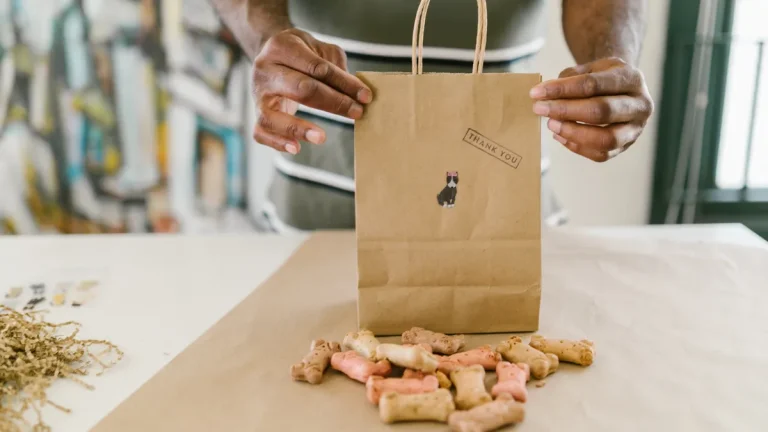
- Use a gift bag for plush toys, clothing, scarves, boxed items that are awkward to tape, and mixed shapes.
- Use cellophane for baskets, bottles, sports gear, plants, or gifts with no flat side.
- Use tissue paper as filler, not structure, when the top of the bag needs height or a softer look.
This choice also affects cost and waste. A box gives the neatest result, but it can add extra material and bulk. A bag is quicker, but it can look undersized if the item is too large. Cellophane is useful for odd shapes, yet it shows everything inside, so the presentation has to be tidy. For readers who want a standard paper-and-box method for a more normal present, the main guide on how to wrap a present with wrapping paper covers that route in detail, and the gift wrapping tips page covers basic presentation choices.
How do you wrap a round gift?
A round gift is easiest to wrap by building a base, gathering the sides, and hiding the top with ribbon or tissue. A sphere, cylinder, or round tin fights flat folds, so the goal is not perfect corners; it is clean control of the seams.
For a round item like a ball, candle jar, or globe-shaped ornament, I start with a square of wrapping material that is at least 2 to 3 times wider than the item’s diameter. That extra allowance matters because a tight square can tear or leave gaps. If the object has a flat bottom, I place it slightly off-center, lift the material around it, and twist or gather the top into a stem. A ribbon or twine around that stem makes the finish look intentional.
For a cylinder, such as a bottle or a tube-shaped gift, I lay it on its side and wrap lengthwise first. Then I fold the ends in like fan folds or accordion pleats. The gift should end up with smooth sides and two capped ends. If the ends look bulky, I trim the material before taping; too much overlap makes the package lumpy.
These are the usual miss steps:
- Too little material leaves bare spots and exposed tape.
- Too much material creates a thick, uneven cap.
- Pulling too hard distorts the round shape and can crush soft items inside.
A good round wrap has one clear seam line and no loose flaps. If the gift is also fragile, put it in a small box first and then wrap the box. That extra step is worth it for glass jars, candles, or anything that could roll while being handled.
Use a gift bag when the gift refuses to sit still
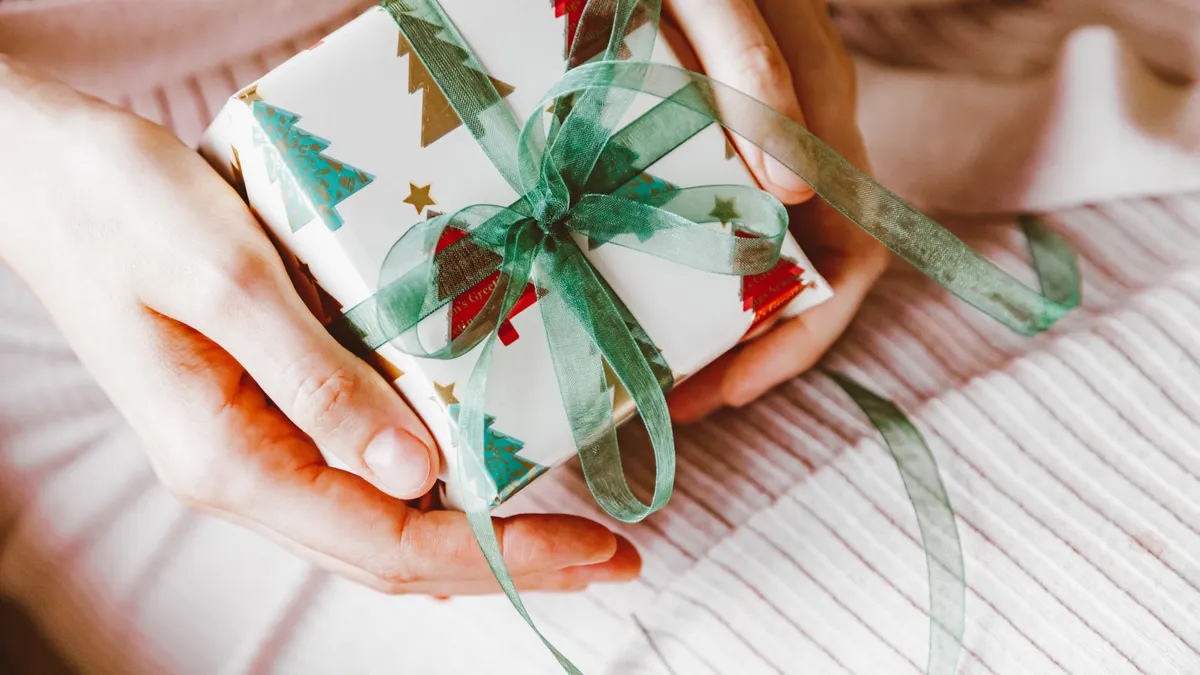
A gift bag is often the quickest clean answer for a shape that will not lie flat. It works best when the item is soft, lumpy, or composed of several pieces, such as clothing, plush toys, a hoodie, or a gift set with loose parts.
The trick is choosing a bag with enough depth. A bag that is 1 to 2 inches too small tends to crush the contents and split the handles awkwardly. I look for a bag that lets the gift stand or lie inside without forcing the sides to bulge. If the item is small and lightweight, a medium bag is usually enough; if it is bulky, I move up a size rather than stuffing it.
This is the order that keeps a bag looking neat:
- Put a layer of tissue paper or crumpled filler at the bottom so the gift sits higher.
- Set the item so its front face is visible.
- Add a second sheet of tissue paper around the top edges so the contents are partly hidden.
- Bring the front and back tissue sheets together, then fold them slightly so the opening looks finished instead of crushed.
- Attach a tag to one handle or tie a ribbon around both handles if the bag is plain.
The visible result should be a bag that holds its shape without sagging in the middle. The biggest advantage is speed. The trade-off is that a bag gives away less effort than a hand-wrapped box, so it may feel less formal for a major gift. It is also a weaker choice for items that should stay private, because a clear bag or loose top can reveal the outline too easily.
A bag is not the answer for gifts with sharp corners that can poke through thin material. In that case, box the item first or use thicker paper and a firmer container.
Build a box around an awkward shape
A box is often the best fix when a gift has hard edges, fragile parts, or an irregular shape that becomes manageable once it is padded. It gives the package a straight outline, and straight outlines are much easier to wrap cleanly than uneven ones.
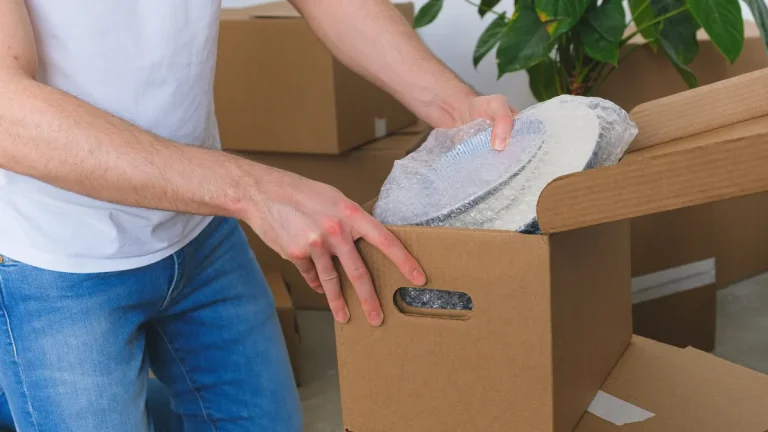
If the gift is already in a product box, that is the simplest starting point. If not, I choose a sturdy cardboard box that leaves room for 1 to 2 inches of padding on each side. That space matters because tissue paper, crumpled packing paper, or bubble wrap needs room to absorb movement. A box that fits too tightly can let the object press through the sides or shift inside the wrap.
The basic method is simple:
- Pad the bottom of the box with tissue paper, packing paper, or bubble wrap.
- Set the gift in the center so it does not touch the sides.
- Fill empty space on all four sides so nothing rattles.
- Close the box and shake it gently once.
- If you hear movement, add more filler before wrapping the outside.
When the box itself is the gift, a clean outer wrap can do the rest. When the object is too oddly shaped to place directly inside, I break the problem into layers: protect the shape first, then square it off. That is especially useful for lamps, small appliances, jewelry trees, or anything with loose pieces.
The drawback is that this method can create more waste and more bulk than a bag. It also fails when the item is too large for a single box or too delicate to compress into one. In that case, I switch to a creative wrap instead of forcing the object into a shape it does not want.
Creative wrapping methods for large gifts
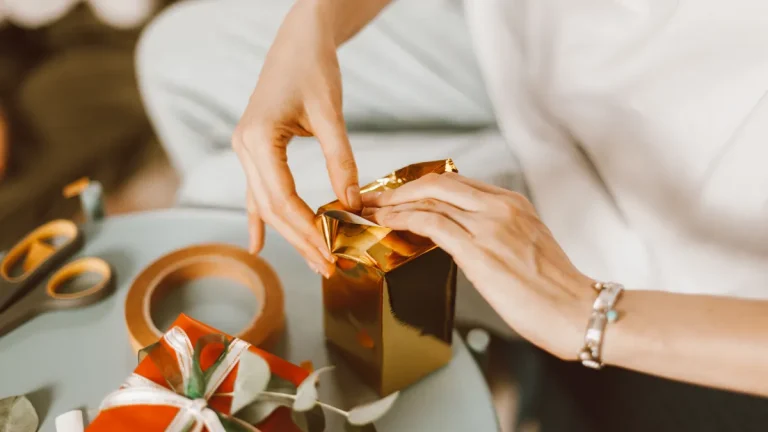
Creative wrapping is the answer for gifts that are too large, too soft, or too strange for a standard bag or box. I use cellophane, fabric, oversized tissue paper, or layered wrapping when the object has height, width, or handles that make ordinary wrapping fail.
Cellophane works well for baskets, sports gear, plants, and gift towers because it can gather around uneven edges without hiding the contents completely. I place the gift in the center of a large sheet, bring the corners up like a bundle, and secure the neck with ribbon or twine. The finish should look like a clear bag with a gathered top. This is more presentation than concealment, so it suits gifts that are meant to be seen.
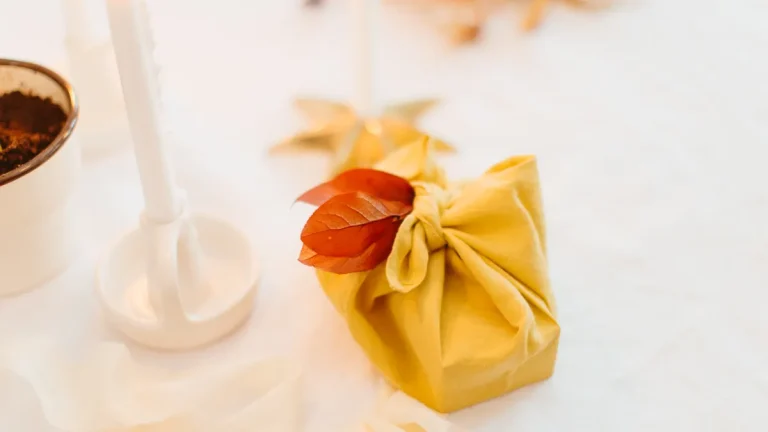
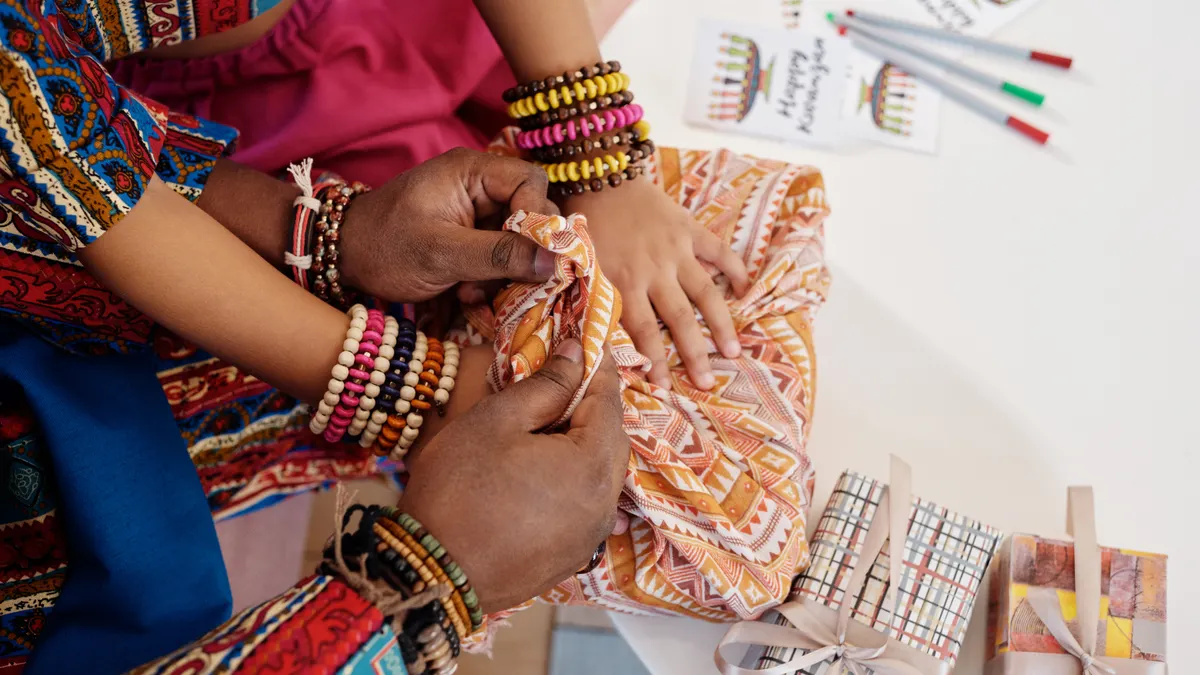
Fabric is useful for reusable wrapping on large or awkward items. A scarf, tea towel, or square of fabric can wrap a present that refuses to stay square, especially if the goal is a softer look. I fold the fabric around the object, knot the top, and add a tag. It is not as crisp as paper, but it is forgiving and can handle odd edges better than a stiff sheet.
For oversized gifts, I sometimes wrap by sections. A bike helmet, for example, may go in a box with filler, while the rest of the gift is presented separately. A tower of baked goods, toiletries, or small items can be grouped in a tray and wrapped as one unit. The method matters less than whether the package stays stable in transit.
The limitation is plain: creative wrapping looks intentional only when the gathering points are neat. Sloppy knots and sagging cellophane make the gift look unfinished. If the item is extremely heavy or sharp, a container still comes first.
What usually goes wrong with oddly shaped gifts
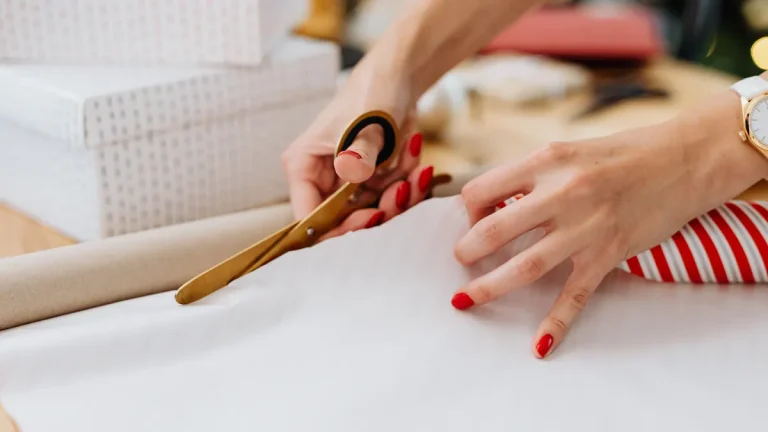
The most common mistake is trying to force the object into a flat rectangle. That costs time, tears material, and usually leaves the package lopsided. A better move is to choose a method that fits the object before any cutting starts.
The second mistake is using a container that is too small. A bag with no breathing room or a box that presses the item into the corners usually looks worse than a slightly larger package with clean filler. A gift needs a little slack so the outer shape stays smooth.
Another frequent problem is overdecorating the package to hide the shape. Heavy bows, too much tape, and thick layers of tissue can make the gift harder to open and more awkward to carry. The cleaner the shape, the less decoration it needs.
A few simple fixes solve most of these issues:
- If the item is soft, compress it lightly and use a bag.
- If the item is round, gather the top instead of chasing corners.
- If the item is large, use cellophane or a bigger box rather than cramming it smaller.
- If the item is fragile, box it before wrapping the outside.
The one thing I would not recommend is spending 15 minutes trying to make a shape look like a rectangle when it clearly is not one. That is the wrong use of effort. A neat, honest package looks better than a tortured one.
Which method should you choose for soft gifts, round gifts, and large gifts?
The best method depends on shape, not sentiment. Soft gifts usually belong in bags, round gifts often need gathered wrapping, and large gifts usually need cellophane, a box, or both.
Soft gifts like sweaters, blankets, and plush items compress well, which makes them ideal for gift bags. Tissue paper helps the bag look full without crushing the contents. Round gifts need more patience because they resist corners, so gathered wraps, fan folds, or a box-first approach work best. Large gifts are the hardest category because scale creates bulk; they usually need a clear wrap, oversized bag, or a box assembled from parts.
Here is the short version:
- Soft gift: use a bag or fabric wrap.
- Round gift: use gathered wrapping or box it first.
- Large gift: use cellophane, a big bag, or a multi-piece presentation.
- Very awkward gift: box the parts separately if possible, then group them.
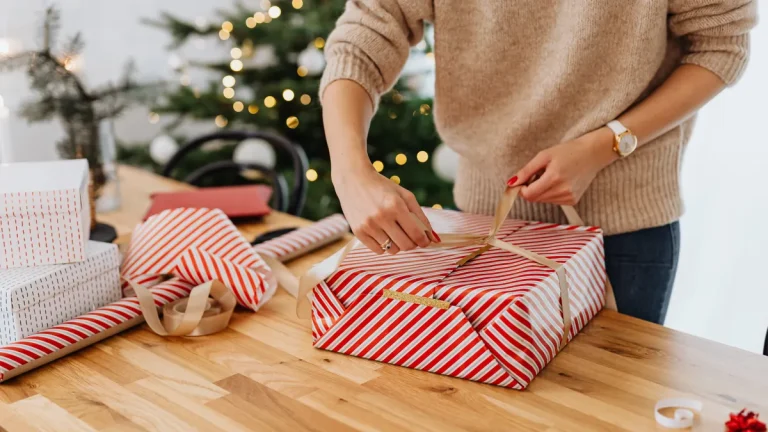
One trade-off matters here: the faster option is not always the prettiest option. A bag takes less time, but a box can look sharper. Cellophane solves volume, but it exposes the contents. Fabric reduces waste and handles odd shapes, but it is less formal. For a gift that needs a polished paper finish, the linked guide to how to wrap a present with wrapping paper is the better next step once the shape has been squared off. See also the how to wrap a bottle guide and how to gift wrap a box for shape-specific methods.
The best judgment is simple. If the shape can be contained, contain it. If it cannot, dress the shape you have.
How do you wrap a round gift?
A round gift is wrapped by giving it a gathered top, a fan-folded end, or a box first if the shape is fragile. The material needs extra room because circles and cylinders do not fold into corners cleanly. A ribbon or tag helps the finish look deliberate rather than improvised.
How do you wrap something awkwardly shaped?
Something awkwardly shaped is wrapped by choosing the container that fits the object before decorating it. A bag suits soft or lumpy items, a box suits anything that can be padded, and cellophane suits large or irregular pieces that need to be visible. The shape drives the method, not the other way around.
Should I use a bag instead of wrapping paper?
A bag is the better choice when the gift is soft, bulky, or too irregular for neat folds. It is faster and usually cleaner for odd shapes, but it gives a less tailored finish than wrapped paper. If the gift is fragile, valuable, or supposed to look formal, a box and wrap often look more intentional.
Drafted with AI; not yet reviewed by a person.